youth blog

Not Another Acronym:  A Poem by Ella Lopes

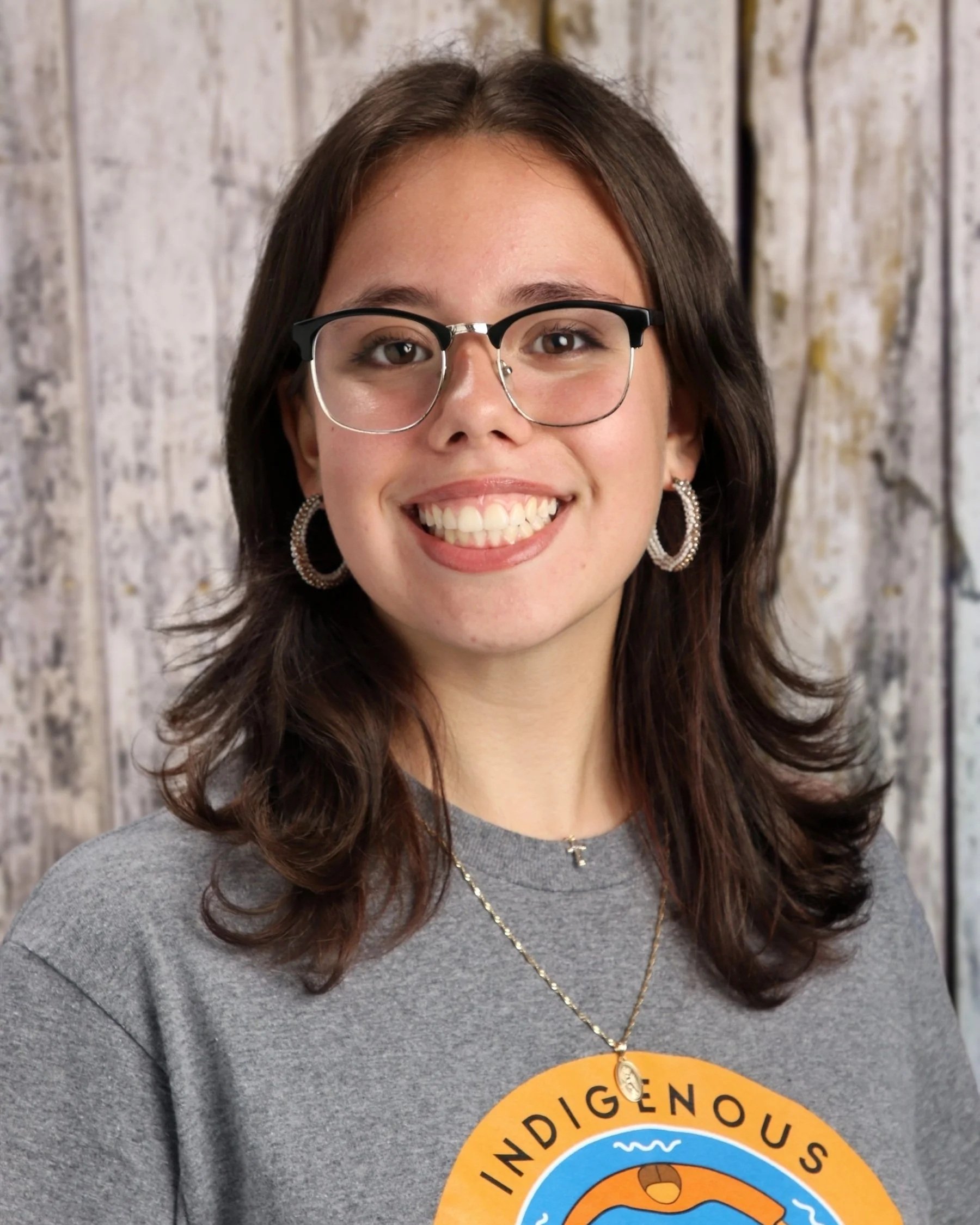
Ella Lopes, Indigenous Child Ambassador from Algonquins of Pikwakanagan First Nation.


At just sixteen years old, Ella is already using her voice to create space, demand safety, and honour the stories carried by her people. A Grade 11 student at Notre Dame High School in Ottawa, Ontario, Ella is half Algonquin and half Portuguese, and a proud member of the Algonquins of Pikwakanagan First Nation. As an Indigenous Ambassador for Voices of Future Generations and a lifelong creative writer, she has dedicated much of her work to exploring Indigenous identity, truth, and resilience.

Awarded Silver in this year’s writing contest, Ella’s powerful poem refuses silence. With unflinching honesty, she speaks to the lived realities and fears that many Indigenous women and girls carry — while fiercely asserting presence, strength, and survival. Her words echo the urgent call behind the red dresses that “swing in the evening wind,” symbols of lives stolen and voices that must never be forgotten.

Through rhythm and repetition, she transforms fear into declaration: “Say my name, I am around.” It is both a reminder and a promise; that Indigenous youth are here, creating, leading, and shaping the future with courage.

We are honoured to share Ella’s poem below.


Not Another Acronym

by Ella Lopes

Radio hums like a sad old prayer
Mom says text me when you’re there
I lace my boots, I check the lock
I learn my fear before I walk

Neon signs and pavement skin
Every shadow feels like sin
I hold my breath, I count my steps
Like safety’s something I could’ve kept

They taught me how to look away
How not to take up space
But I’m tired of shrinking down
Just to make it home okay


I don’t wanna be another name
Sung too late in candle flame
Don’t wanna fade, don’t wanna fall
Don’t wanna be a ghost at all

Say it now, say it loud
Say my name while I’m around
I don’t wanna be remembered
I wanna be protected


Red dresses swing in the evening wind
Like they’re still trying to breathe again
Every one a stolen song
Every one says something’s wrong

They file us away, they talk real slow
Like grief’s a show they already know
They nod their heads, they make it neat
While we bleed truth into the street

I carry stories in my spine
Older than this stolen time
I shouldn’t fear the simple act
Of coming home alive


See me now, I’m standing here
Not a warning, not your fear
I’m a heartbeat, I’m a song
I was never meant to be gone

I don’t wanna be a statistic
A quiet loss they call realistic
I don’t wanna be an abbreviation
Or another loss to my nation

Not another lost creation

Or a meaningless documentation

I don’t want to be another example of colonization

Or another step back in reconciliation

Not another starved of graduation

Or just another red declaration

Radio plays, I’m still here
Still singing through the fear
Still breathing, still loud
Say my name, I am around
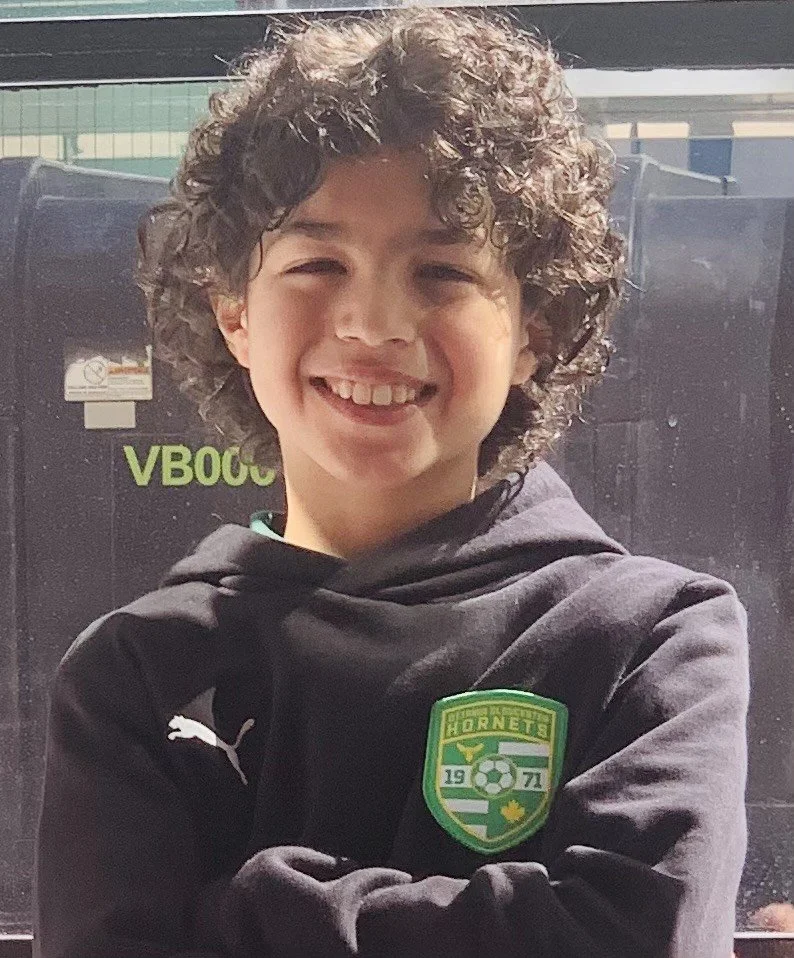
The Issues Shaping Our Generation: A Youth Perspective - Zachary Fathally

What are the biggest concerns facing children today, and how can adults truly support youth-led movements and initiatives?

These were the questions explored at the recent International Roundtable for Children’s Rights and Education hosted by Voices of Future Generations. Among the young speakers was Zachary, a 12-year-old from Ottawa, Canada, who is passionate about advancing children’s rights and raising public awareness about climate change.

Zachary strongly believes in amplifying children’s voices and ensuring young people are meaningfully included in conversations that shape their future. At just 10 years old, he became a Child Ambassador for the United Nations Sustainable Development Goals (SDG) – Voices of Future Generations, a worldwide initiative supported by UNESCO, after winning a silver medal for his story on children’s rights, Reda’s Little Village. As a Child Ambassador and a member of Children First Canada’s Youth Advisory Council, he has participated in national roundtables, met with senators and Members of Parliament, and spoken at a press conference on Parliament Hill to advocate for issues affecting children and youth.

In the article below, Zachary shares his perspective on the urgent issues affecting children today—and explains why giving youth a real seat at the table is more important than ever.


Children’s Present Struggles, Tomorrow’s Heavy Burdens

by Zachary Fathally

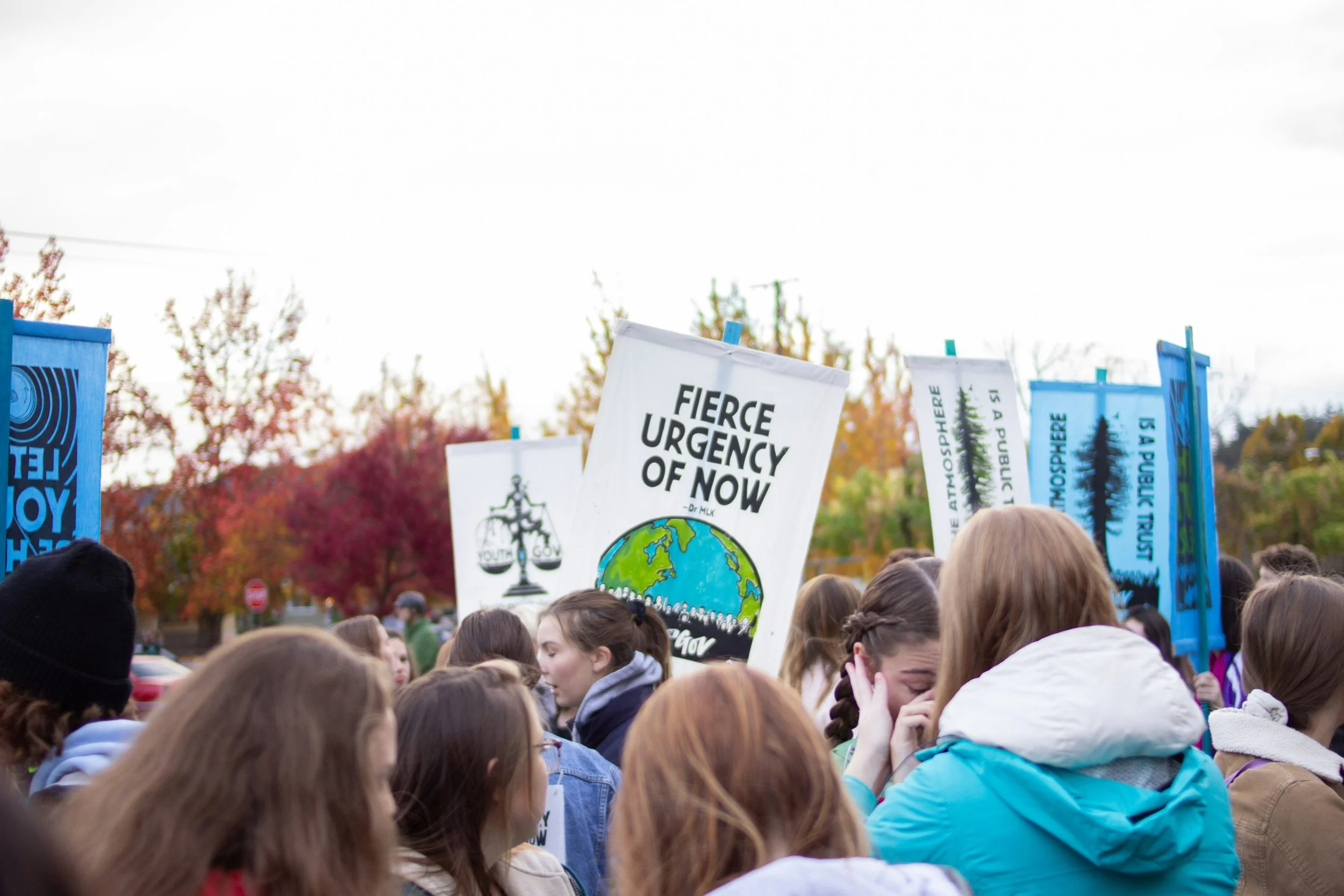
Climate change and protecting children from online harm are, in my opinion, the two main concerns of children today. We, as young people, are worried that by the time we become adults, the planet and the economy will be too messed up to fix. We need adults to be more responsible with climate change, the economy, and the well-being of children. We need adults to let youth speak up and actually listen to their concerns. In fact, adults can best help by letting children be their partners and allowing them to participate in the making of some big decisions. We need them so they can help us get legal tools and funding for our projects (clubs, awareness campaigns, etc.).

In fact, children today face multiple challenges, but if I had to choose the two main concerns, they would be climate change and everything that pertains to AI, technological change, and, ultimately, online safety.


Climate change and protecting the environment:

Let’s be honest: a lot of young people today are very anxious about the state of our planet. I fear the long-term effects of environmental damage and feel frustrated by the slow action of governments and institutions. We will be the ones to deal with what adults have failed to do, and the burden will be very heavy on us. I don’t know if you’ve heard this adage, but it says that small actions every day make a big difference in the long run. It is better to act now than to let problems accumulate and try to fix everything later. This is a quote I have seen many times on social media: “When small is big.”

Recently, I read a short article about water scarcity. It is mind-boggling to realize that water is not infinitely renewable, so we must take care of what we have and use water responsibly. Water is only one aspect of climate change, but it is extremely important because it is the source of life on Earth.

So, how can adults support youth-led initiatives? It is actually very simple: by giving young people a seat at the table.
— Zachary Fathally

Online safety:

The second concern affecting children is online safety, as AI is becoming increasingly popular. In fact, AI has become so common that I sometimes find myself watching a video and questioning whether AI created it. This is worrying. Children may not be able to differentiate between what is real and what is fake. Also, online harm is something many children experience alone. Today’s children are much more comfortable with technology than any previous generation, and this constant use of technology can have serious effects on them. These issues are being addressed to protect children. For example, we have seen legislation in Australia that bans social media for children. Moreover, social media and social gaming can be very addictive and have serious repercussions on young people's mental health. If we take care of our mental health, we will create a safer society for all.

So, how can adults support youth-led initiatives? It is actually very simple: by giving young people a seat at the table. Adults can invite youth to participate in parliamentary committees, speak up, and allow them to express their concerns in formal and informal meetings about children’s issues. There are also many youth advisory councils on various issues where young people can share their thoughts and ideas.


Zachary is a 12-year-old from Ottawa, Ontario. He is an avid reader who seizes every opportunity to learn about history, geography, and science. Zachary is passionate about advocating for children’s rights and raising public awareness about climate change. He is a VoFG Child Ambassador for the SDGs and a member of Children First Canada’s Youth Advisory Council. In his free time, he enjoys playing the piano, swimming, cycling, and reading. He is also a member of a regional football soccer team.